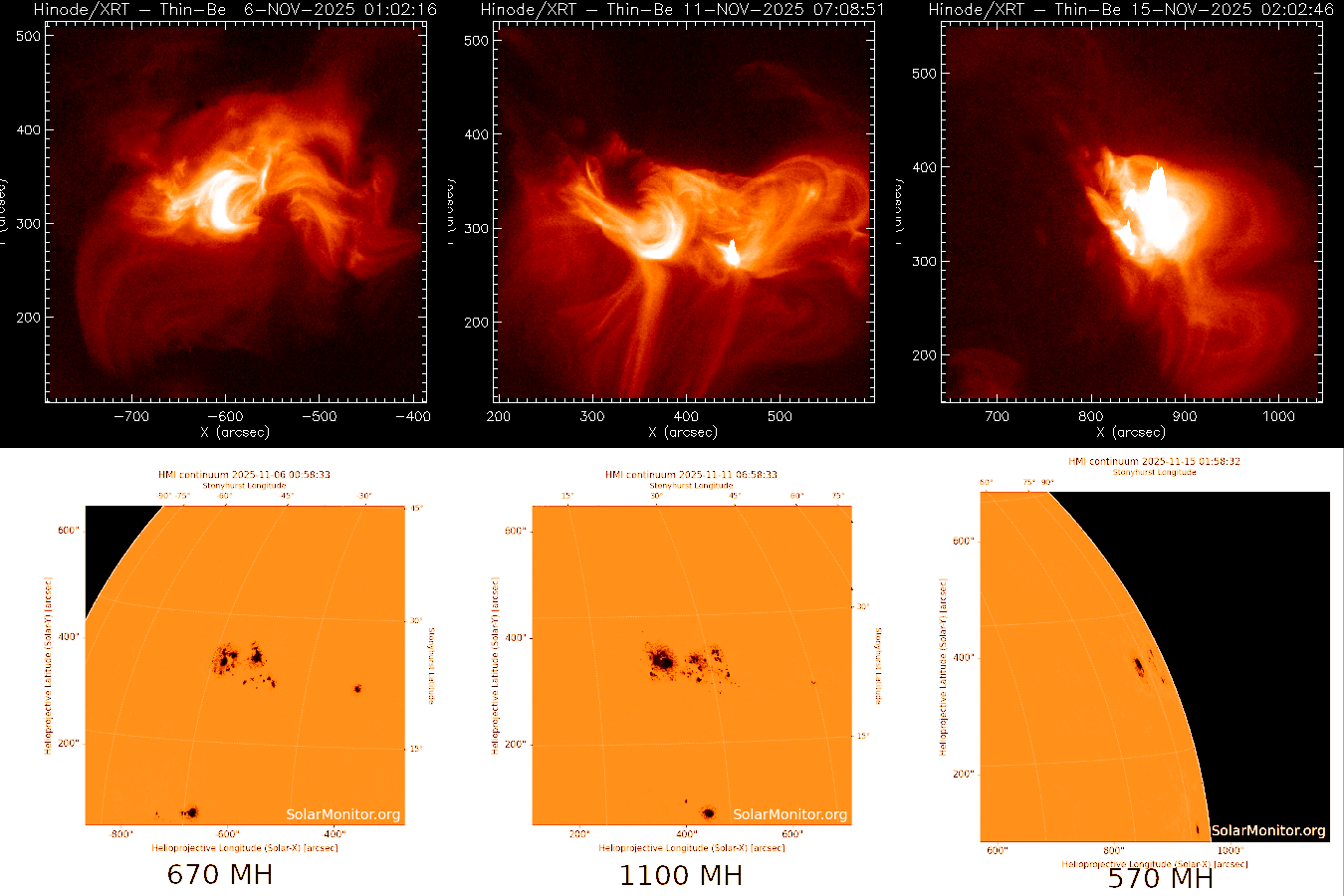
AR14274 evolved dramatically as it crossed the solar disk! Click on the image to see the flare in action or click here for the youtube version
Size Up with AR14274
|
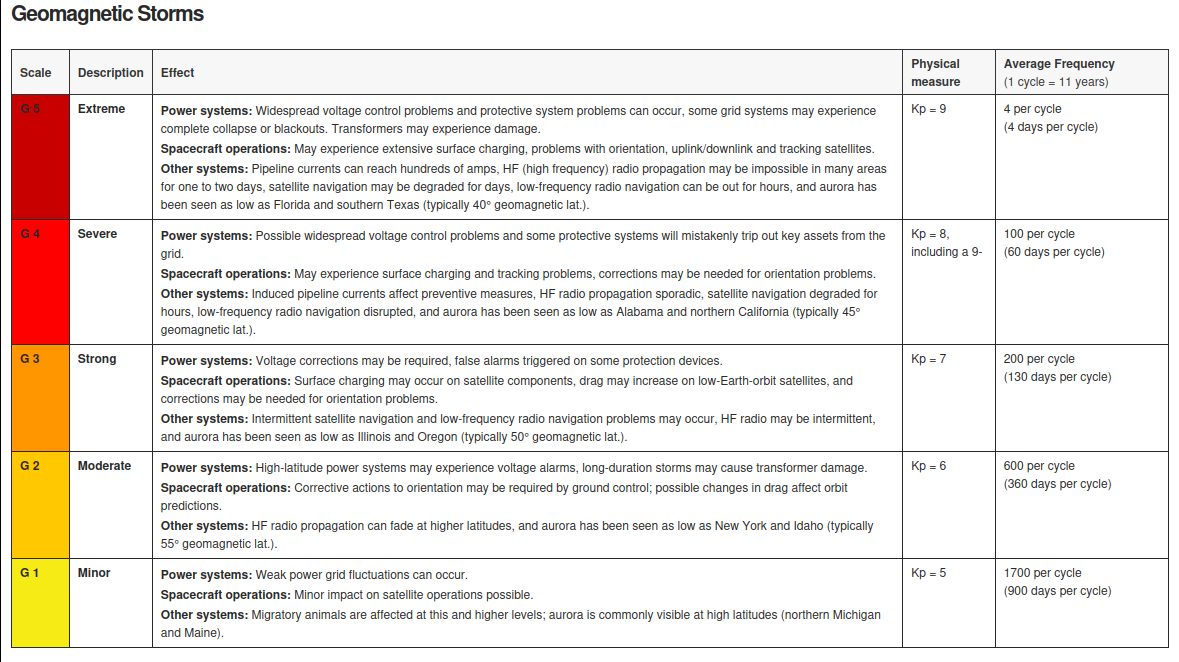
In November, Active Region (AR)14274 exploded in five different X-class flares in the two weeks, the 3rd to the 16th. In addition to the five X-class flares (the most powerful category), this AR erupted in 15 M-class and 135 C-class flares, including the X5.1 flare highlighted in a recent XPOW entry. The X-ray Telescope (XRT) on the Hinode Solar Satellite captured a number of these flares. AR14274 also produced CMEs that overlapped and created a severe geomagnetic storm (G4) that hit Earth on November 11th . As solar physicists, we discuss these events and other facets of the Sun often. However, as a public outreach educator and solar physicist, I’m often asked about size and scale. People often use size to understand the physical world, even if the size is too big or too small to see. So when I’m asked about the size of the Sun, I use terms such as “the diameter of the Sun is 109 Earths” or that “Earth could fit into a sunspot”. We, as solar scientists, use millionths of the solar hemisphere (MH) which is in reference to how much of the Earth facing solar disk a sunspot takes up. Note that a sunspot appears on the photosphere where the AR is above in the transition layer through the corona. One MH is equivalent to around 3 million square kilometers (3.043 million square km), an overview of the mathematics to calculate MH can be found here. Let’s compare sunspots in MH to the size of Earth in two different ways Earth Size Comparison Earth’s projected disk (the circular face, like the Sun’s disk): RE = 6371 km AE = πRE2 = 127,451,472.74 km2 1 MH = 3.043 million km2 Earth’s projected area in MH: 127 million km2 / 3.043 million km2 = 41.73 MH ≈ 42 MH That is, Earth’s visible disk covers about 127 million square kilometers. Earth’s total surface area (if you could flatten Earth without losing any surface): RE = 6371 km SE = 4πRE2 = 509,805,890.96 km2 ≈ 510 million square kilometers 1 MH = 3.043 million km2 Earth’s surface area in MH: 510 million km2 / 3.043 million km2 = 167.59 MH ≈ 168 MH Often, you’ll see these numbers slightly different as Earth is not a perfect sphere. When AR14274 rotated on disk, its sunspot took up 260MH or 791.4 million square kilometers. At its peak, the AR was 1100MH at 3,348.1 million square kilometers. On its last day on the disk, AR14274 had shrunk to 120MH. So, if I were to talk to the public about this particular region, first I would use projected Earth since that’s the most common visual comparison, then I would say that AR14274 started as 6 Earths, expanded to 26 Earths, and shrunk to less than 3 Earths in size in two weeks to illustrate how dynamic these ARs can be. The accompanying video is of AR14274 throughout the week starting on November 6th (670MH) to the 16th (120MH), note the last best images in the title image are from the 15th (570MH). See if you notice the size changes through the video. You’ll also notice flickering since there are many flares captured by XRT. This video was taken with thin-Be or med-Be (during flaring). Keywords: AR Tracking, Flare Filters: Thin_Be |

(Prepared by Rhiannon Fleming)
The XRT instrument team is comprised of SAO, NASA, JAXA, and NAOJ.
| Back | Archive | Next |